M.Sc. Psychology
Training in Cognitive Behavioural Therapy
May – Oct 2026
MDS · BDS
2007 – 2016
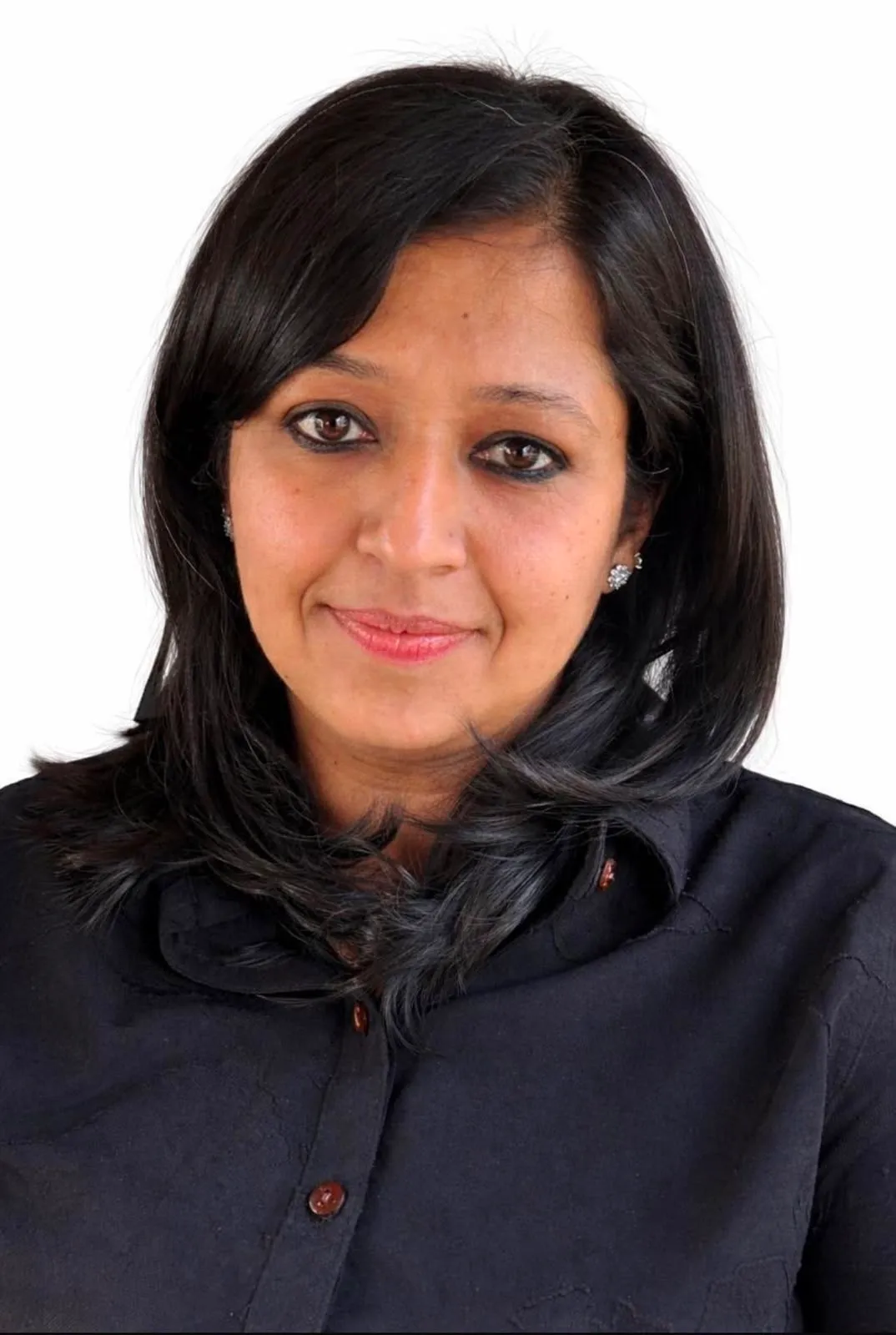
Hi, I'm Hershita.
My path to therapy wasn't a straight line — and I think that's part of what makes me good at this work. I trained first as a dentist, completing my BDS and MDS at Rajasthan University of Health Sciences before spending years as a healthcare professional and academic. Along the way, I kept returning to the same question: what actually helps people heal — not just their bodies, but their whole selves?
That question led me to psychology. I've since completed my M.Sc. in Psychology, and I'm partway through the Indian Association for Cognitive Behavioural Therapy's certificate course in cognitive behavioural interventions — supervised training I'll complete at the end of 2026. My counselling work began in earnest at Saaransh Sansthan in Ajmer, where I ran mental health awareness camps and one-on-one sessions for teenagers and people living with HIV. That work showed me the enormous, unmet need for thoughtful, compassionate mental health support in India.
I've also volunteered with the Inner Wheel International Women's Organization, providing counselling for underprivileged children, and with IBTIDA — teaching English to children in rural Mewat. Community, care, and access to support have always been at the heart of what I do.
I'm based in Mohali, Punjab, and see all clients online. My approach is warm, collaborative, and evidence-based — and I'll never push you faster than you're ready to go.
My philosophy
What I believe about healing.
I came to this work sideways, and I think that matters. Years in clinical practice taught me how much of what people carry never makes it into the room — the worry underneath the symptom, the thing mentioned on the way out the door. Psychology was where I finally had the time to listen to it properly.
Most of my counselling has happened outside consulting rooms: awareness camps in Ajmer, sessions with teenagers who had never once been asked how they were doing, work with people living with HIV who had learned to expect judgement rather than care. That work shaped what I believe about therapy more than any textbook has — that access matters, that shame usually does more damage than the problem underneath it, and that being taken seriously is often the first real intervention.
So I don't think of therapy as fixing anything. You are not a problem to be solved. My job is to pay close attention, ask better questions than the ones you have been asking yourself, and stay steady while you find your own way to the answer — never faster than you're ready to go.
How I work
My therapeutic approach
Cognitive Behavioural Therapy
The approach I'm training in, under supervision, with the IACBT.
CBT works on the loop between what we think, how we feel, and what we then do — the loop that quietly keeps anxiety and low mood running long after the original reason has gone. Rather than only talking about the past, we look at what is holding the pattern in place right now.
In practice that means sessions have some structure. We'll name what you want to be different, notice the thoughts that show up when things get hard, and test them against what's actually true. Often there's something small to try between sessions — not homework for its own sake, but because change tends to happen in your week rather than in my room.
It is a practical, evidence-based approach, and it is not the whole of how I work. The structure only helps once you feel safe enough to be honest, so the relationship comes first and the method fits around you.
What you can expect of me
-
Your pace, not mine
We go at the speed you can actually manage. Nothing gets pushed before you're ready.
-
Plain language
No jargon, no diagnosing you at you. If I use a term, I'll explain what I mean by it.
-
Honest about limits
If something falls outside what I can helpfully offer, I'll say so and help you find the right person.
-
Confidential
What you bring stays between us, within the usual legal and safety limits I will explain at the start.
Background
Education & training
-
May – Oct 2026
In progressProfessional Certificate in Cognitive Behavioural Interventions
Indian Association for Cognitive Behavioural Therapy (IACBT)
Supervised CBT skills training — 90 taught hours, 20 supervision hours, 100 supervised practice hours
-
M.Sc. Psychology
-
2013 – 2016
Master in Dental Surgery (MDS)
Rajasthan University of Health Sciences
Oral Pathology & Microbiology
-
2007 – 2012
Bachelor in Dental Surgery (BDS)
Rajasthan University of Health Sciences